
How AI-Driven, NDAA-Compliant Aircraft Are Reshaping Modern Military Capability
On Jun 1, 2025 Ukraine launched a drone attack on a Russian airbase. 117 drones were used, each piloted by a human, connected over the local mobile phone network. This will be the last war that humans pilot drones, as the defense industry is learning how. From now on, as predicted by the 1983 cinematic masterpiece Deal of the Century, drones will fly themselves.
Autonomous drones have become strategic infrastructure. In 2025, defense forces are deploying AI-driven, NDAA-compliant aircraft across intelligence, force protection, logistics, mapping, counter-UAS and contested-environment missions.
The difference now is true autonomy. AI navigation, GPS-degraded survivability, edge computing and secure supply chains enable missions that traditional UAS or human-piloted aircraft cannot deliver at scale. Astral’s Mothership platform, the only NDAA-aligned autonomous drone of its class, reflects this shift.
Here are the defining defense use cases of 2025.
1. Persistent Autonomous ISR
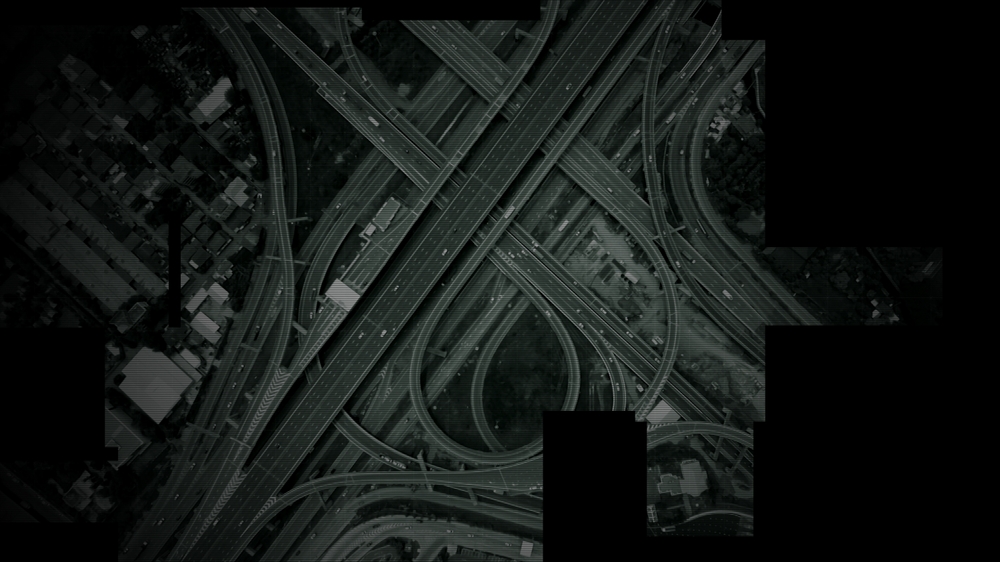
Intelligence, surveillance and reconnaissance remains the core military drone application. Autonomous ISR platforms now complete long-duration missions with minimal operator involvement.
Modern ISR drones deliver real-time targeting data, automated object recognition, and tamper-proof encrypted transmission even under GPS degradation or jamming. Border patrol, maritime units and special operations teams rely on autonomy for consistent, low-signature, wide-area intelligence.
2. Autonomous Base Security and Force Protection

Defense installations increasingly depend on autonomous air patrols. These drones conduct continuous perimeter sweeps, detect intrusions, classify threats with thermal and RGB fusion, and escalate alarms automatically.
Unlike human patrol teams, autonomous aircraft operate without fatigue and respond instantly, forming a new foundational layer of force protection.
3. Tactical Resupply and Autonomous Logistics
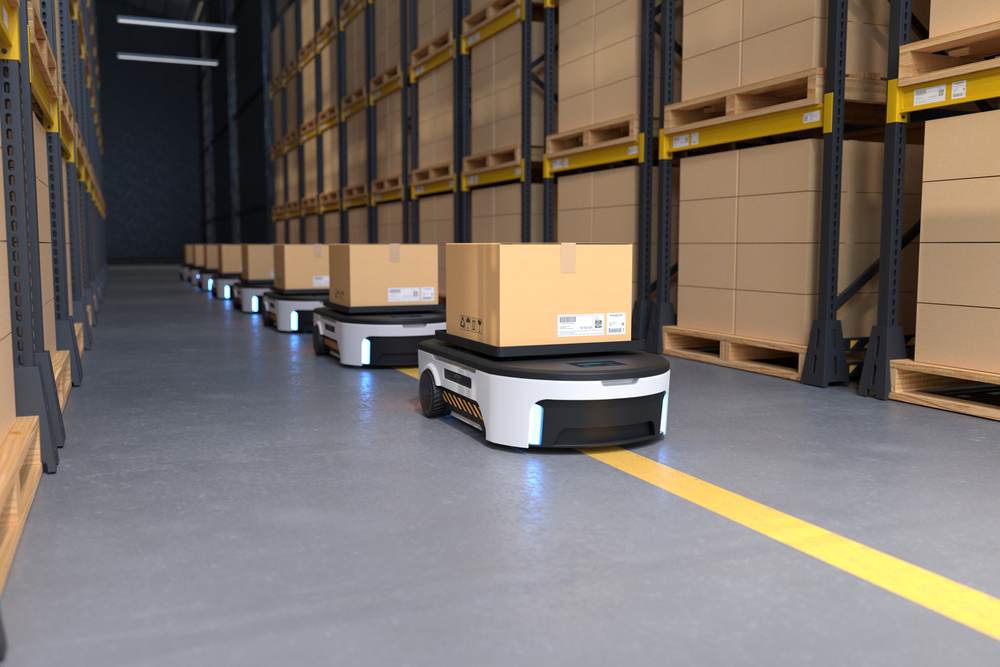
Moving supplies in contested areas places personnel at significant risk. Autonomous drones now perform resupply missions with preprogrammed routes, GPS-denied navigation and precise drops.
Ammunition, blood, batteries, medical kits and critical components can be delivered without exposing any soldier to danger. This is especially valuable in austere, frontline or disaster-struck environments.
4. Counter-UAS Detection and Response
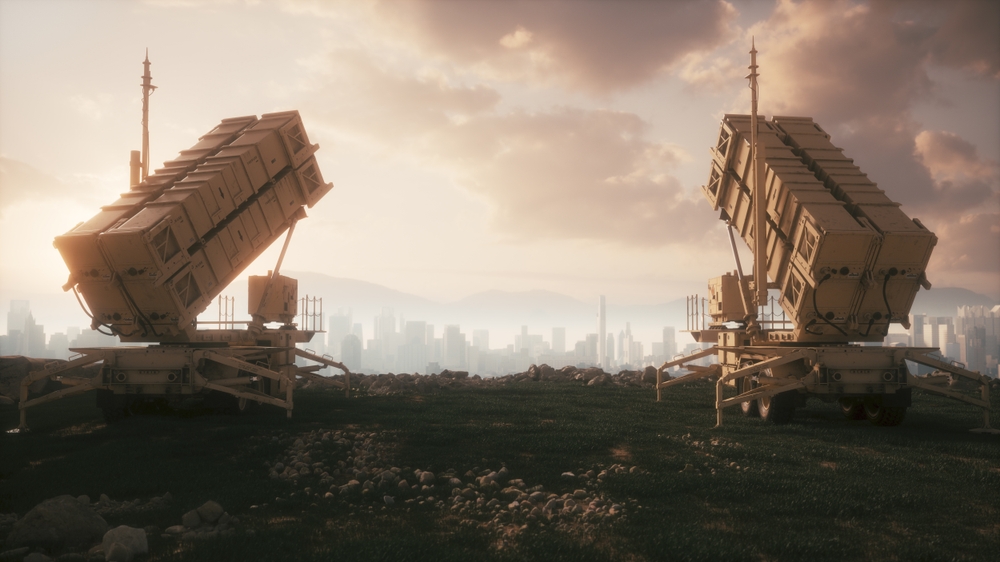
Hostile drone usage has increased globally. Modern autonomous UAS act as detection and response assets, patrolling airspace, tracking multiple targets simultaneously, fusing RF and EO/IR data, and supporting electronic or kinetic mitigation.
Autonomy enables persistent monitoring and rapid reaction that manual systems cannot match.
5. Search and Rescue in Combat and Disaster Zones
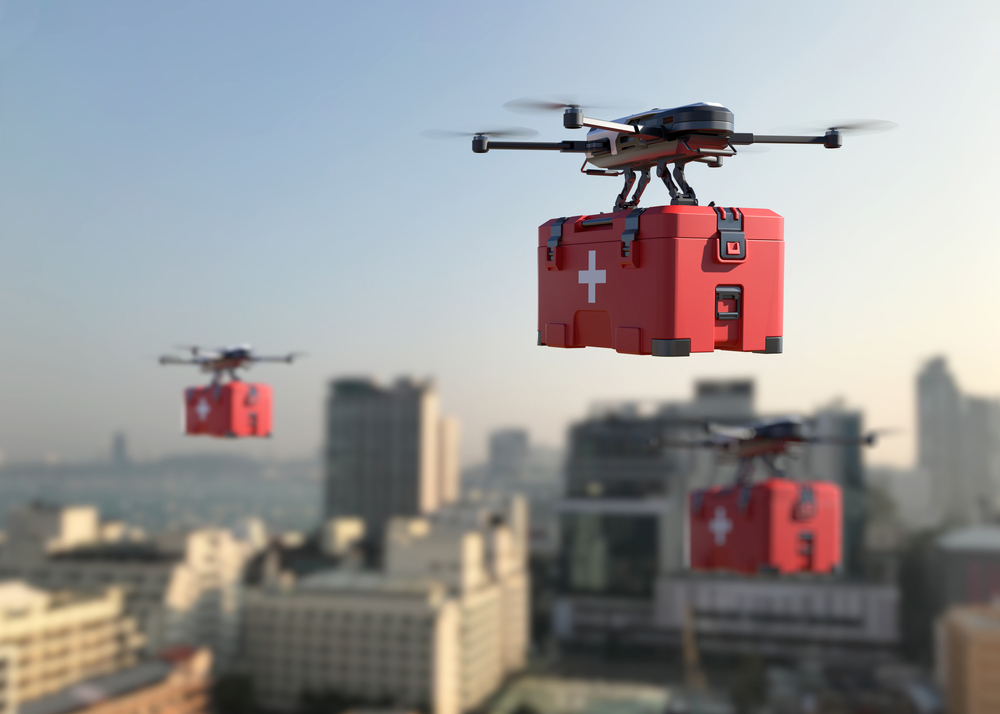
Autonomous drones are now essential for SAR operations in high-risk areas. They run automated grid searches, identify survivors using thermal and AI-based detection, and deliver urgent supplies.
Collapsed buildings, chemical exposure zones, active fire zones and minefields can be assessed rapidly without risking personnel.
6. Autonomous Mapping and Mission Planning

High-resolution 2D and 3D mapping is now fully autonomous. Drones pre-map assault routes, update terrain models, calculate lines of sight and support fire planning in real time.
Mission planning cycles that once took hours now take minutes, giving commanders better situational awareness with far less human burden.
7. Swarm-Based Reconnaissance and Distributed Operations
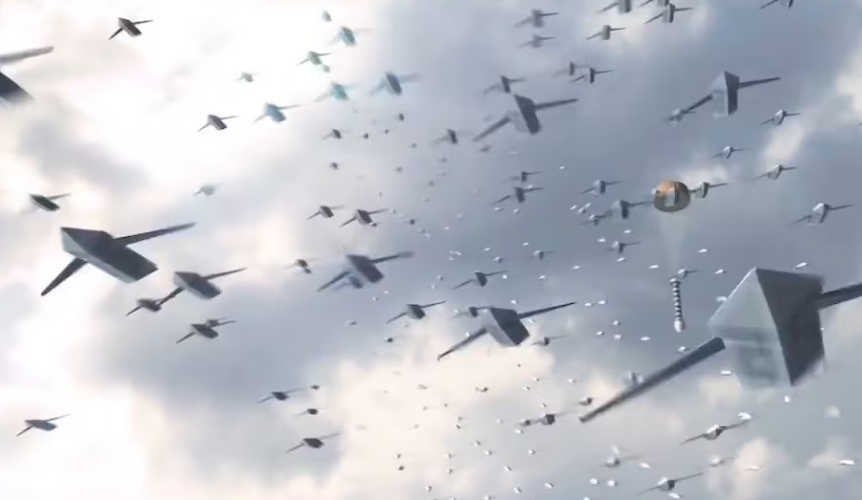
Defense units increasingly deploy autonomous swarms of 3 to 50+ drones. These aircraft share data, self-heal their mission plans if a unit is lost, and provide dense ISR coverage.
Swarming is particularly effective in urban environments, electronic warfare zones and distributed operations where resilient autonomy is essential.
Why Autonomy Matters for Defense
Survivability
Operate in GPS-denied, EW-heavy and high-risk zones without placing pilots or manned aircraft in danger.
Speed
AI reduces decision bottlenecks. ISR cycles accelerate from minutes to seconds.
Scale
A single operator can supervise multiple aircraft. Autonomy creates reach and persistence unmatched by traditional UAS.
This is why autonomy has shifted from technological advantage to strategic requirement.
Astral: The Only NDAA-Aligned Autonomous Drone of Its Class
Astral’s Mothership platform is engineered specifically for defense-ready autonomy and secure, U.S.-aligned deployment.
Key capabilities include:
• NDAA-compliant hardware
• Trusted and secure supply chain
• AI-based autonomous navigation
• GPS-denied operation
• Encrypted edge computing
• Modular payload system
• Low-signature design
• Rapid integration with defense systems
Astral is built for agencies requiring the most trusted autonomous aircraft available.
Summary
2025/2026 marks the point where autonomous drones became essential military infrastructure. ISR, logistics, force protection, counter-UAS, mapping, SAR and swarming all depend on autonomy for survivability, precision and operational reach.
For defense teams demanding secure, NDAA-compliant autonomous systems, Astral.us provides the only platform in its class engineered entirely around trusted autonomy.